Mito
23.0°7-day forecastMito
Today
Mito travel guide
Mito is the prefectural capital of Ibaraki Prefecture. Although it is not as bustling as Tokyo or Osaka, this historic city combines Edo-period heritage with natural scenery, making it ideal for a relaxed 1–2 day trip. Here is a Mito travel guide for you:
Suggested Itinerary
- Day 1: A Cultural and Garden Walk in Central Mito
- Morning: Depart from Tokyo for Mito Station. After storing your luggage, head to Kairakuen, one of Japan’s three great gardens, then go up to Kobuntei for a panoramic view.
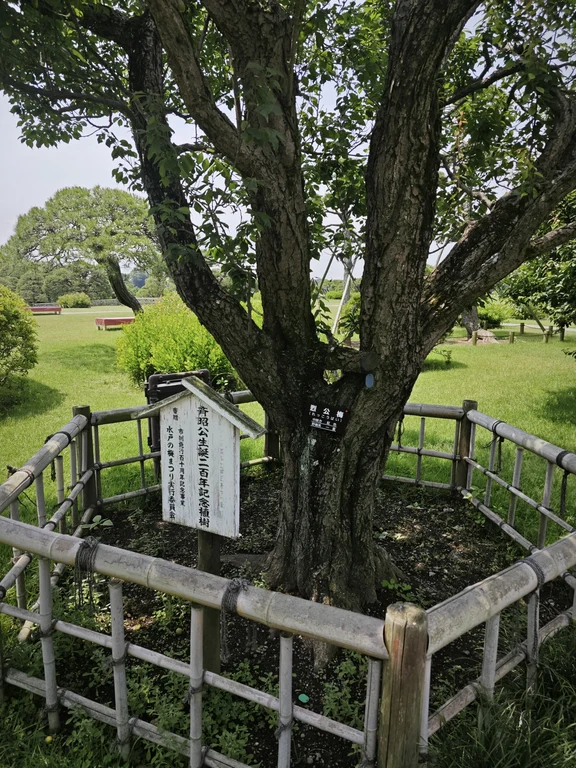
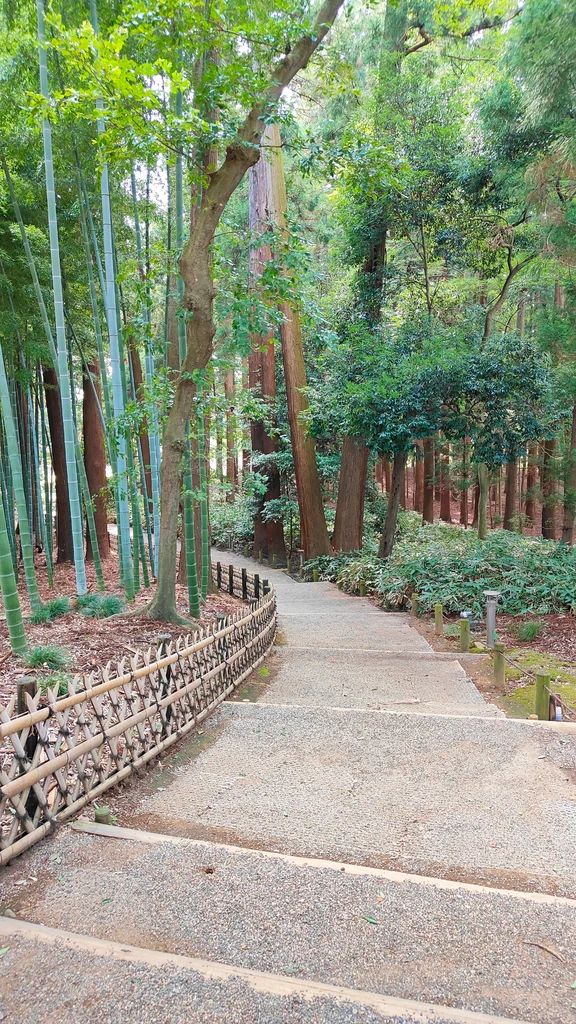
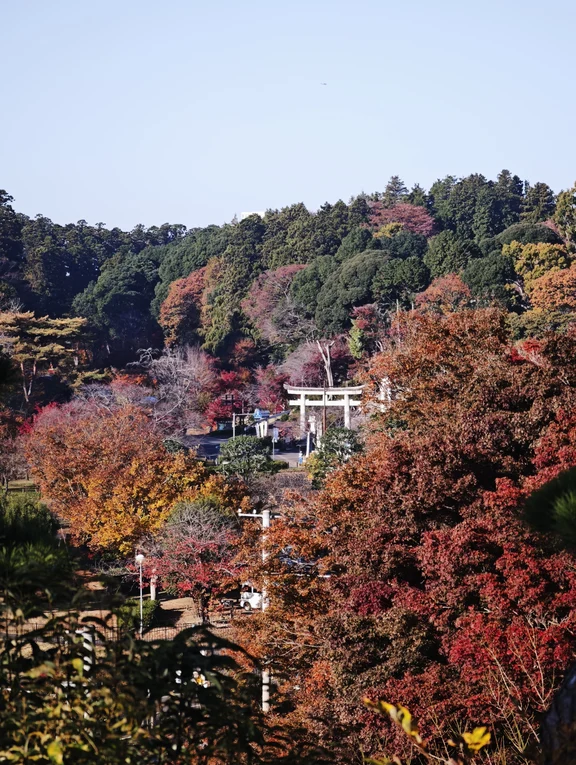
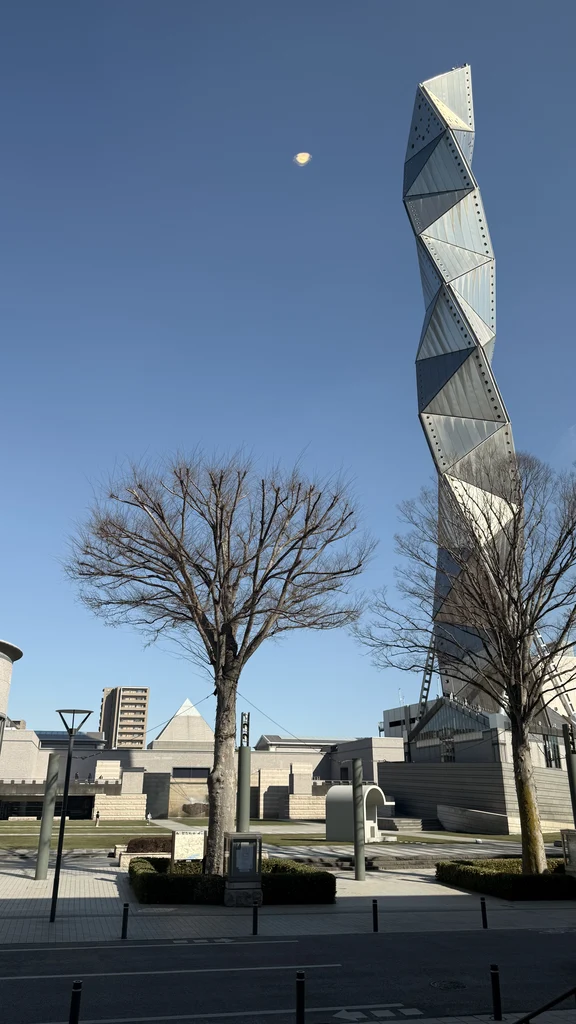
- Afternoon: Walk to Lake Senba for a stroll, then visit the nearby Art Tower Mito (a representative work by Arata Isozaki) to appreciate its architectural aesthetics.
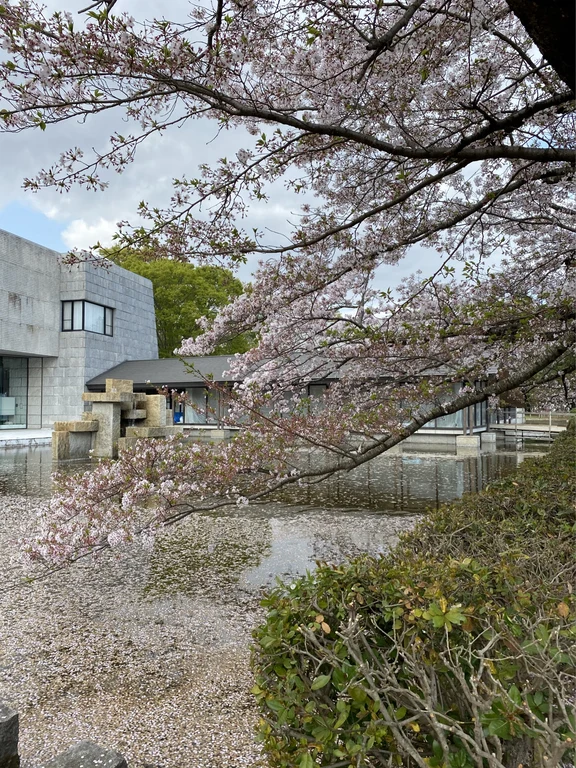
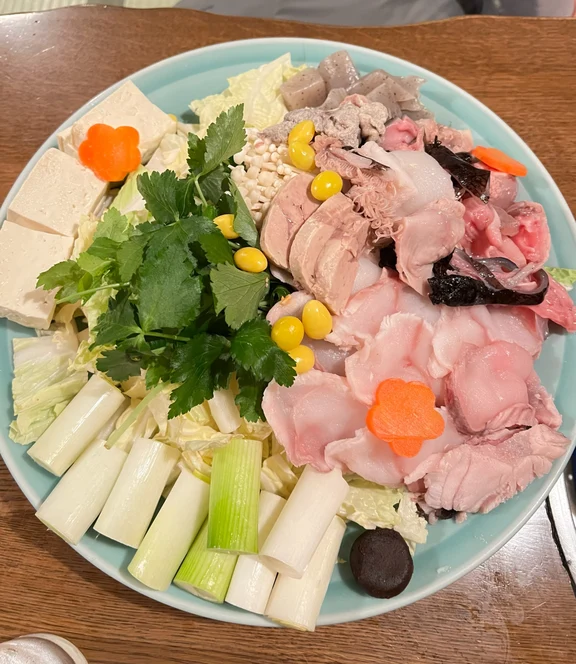
- Evening: Return to the area around Mito Station and try Mito specialties such as monkfish hot pot or distinctive Mito natto dishes.
- Day 2: Coastal Scenery and a Seafood Feast
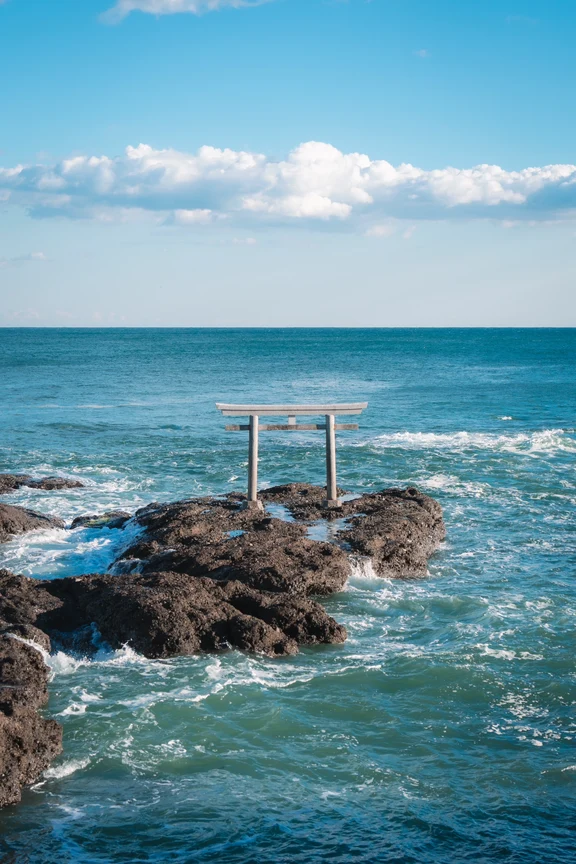
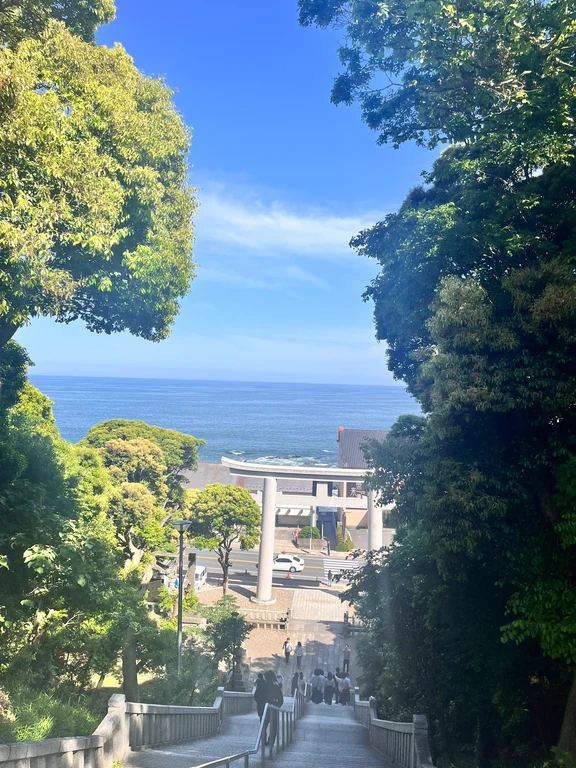
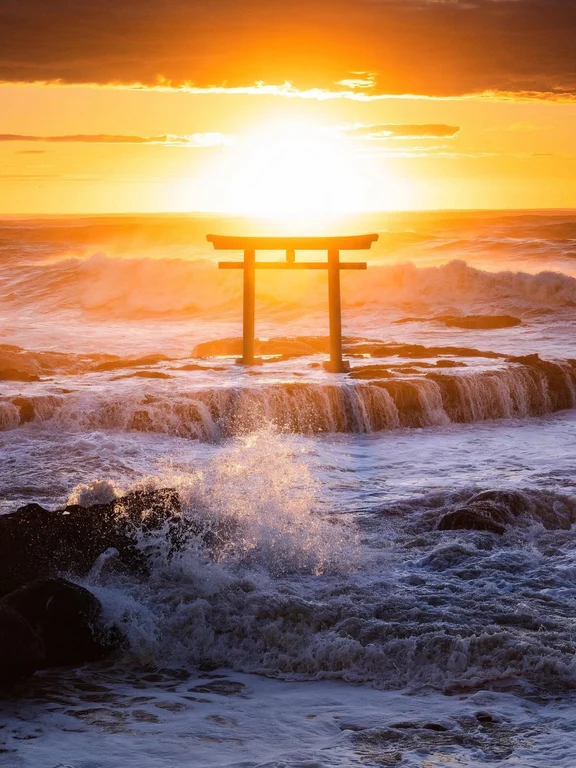
- Morning: Take a bus to Oarai Isosaki Shrine to see the stunning torii gate in the sea, then stop by Oarai Aquarium to watch schools of sardines.
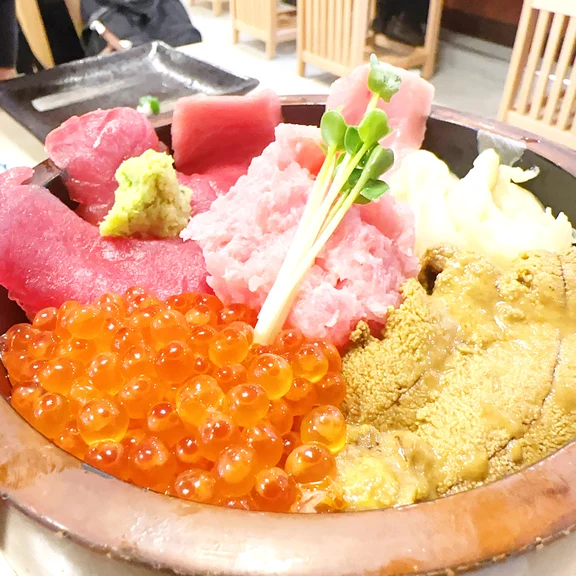
- Afternoon: Head to Nakaminato Fish Market, where you can enjoy fresh seafood rice bowls and sashimi while experiencing the atmosphere of a local fishing port.
- Evening: Return to Mito Station or continue on to Tokyo to end the trip.
Recommended Must-Visit Attractions
Mito’s attractions are relatively concentrated. Within the city, historical, cultural, and garden sites are the main highlights, while the surrounding area offers beautiful coastal scenery.
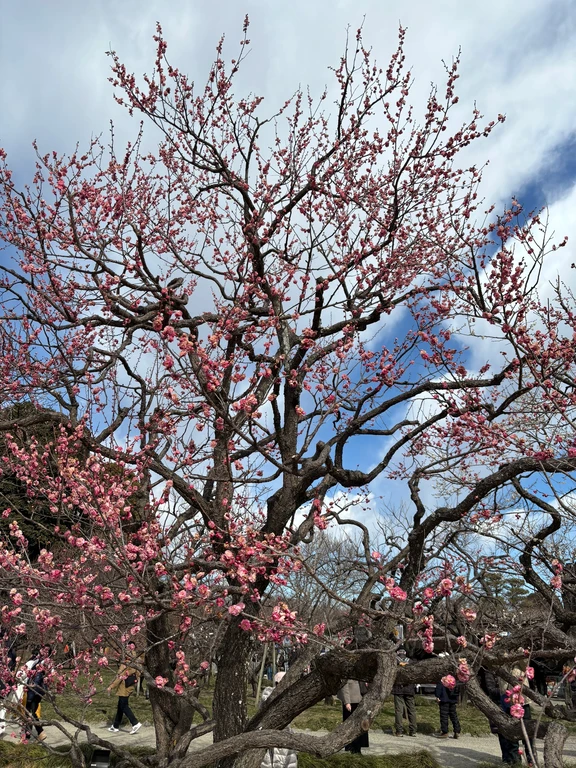
- Kairakuen: One of Japan’s three great gardens, famous for its plum blossoms, with more than 3,000 plum trees planted inside. The Plum Blossom Festival is held in early spring, making it a prime spot for plum viewing; in other seasons, the garden is lush and green, perfect for a walk.
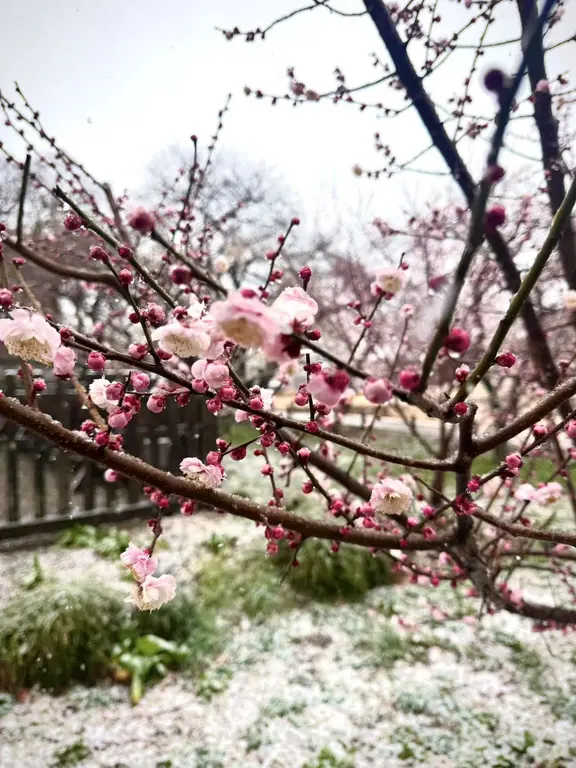
- Kodokan: The largest domain school in Japan during the Edo period, founded by Mito domain lord Tokugawa Nariaki. It combined Confucian education with the spirit of bushido, and its architecture is simple, dignified, and historic.
- Art Tower Mito: A representative work by renowned architect Arata Isozaki. Its silver spiral tower and triangular courtyard have a strikingly modern feel, making it a model of postmodern architecture.
- Oarai Isosaki Shrine: About 40 minutes by bus from central Mito. The torii gate in the sea beside the shrine faces the Pacific Ocean, and the scenery is especially awe-inspiring at sunrise.
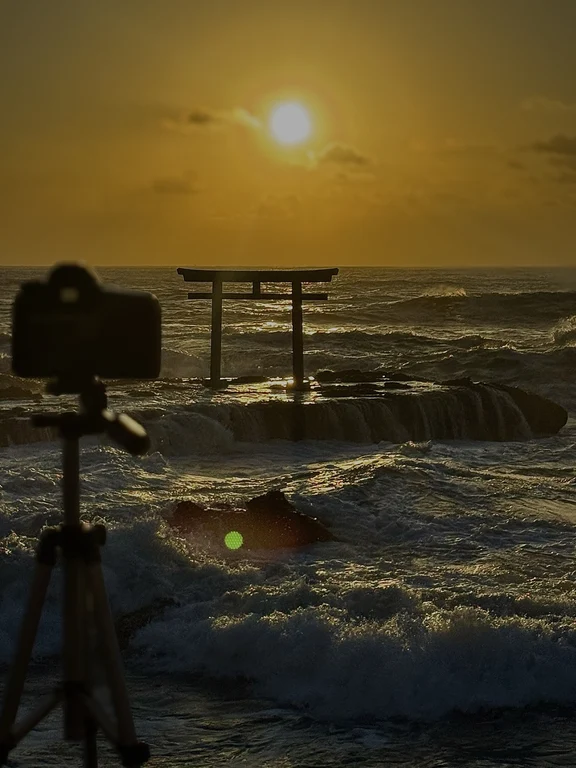
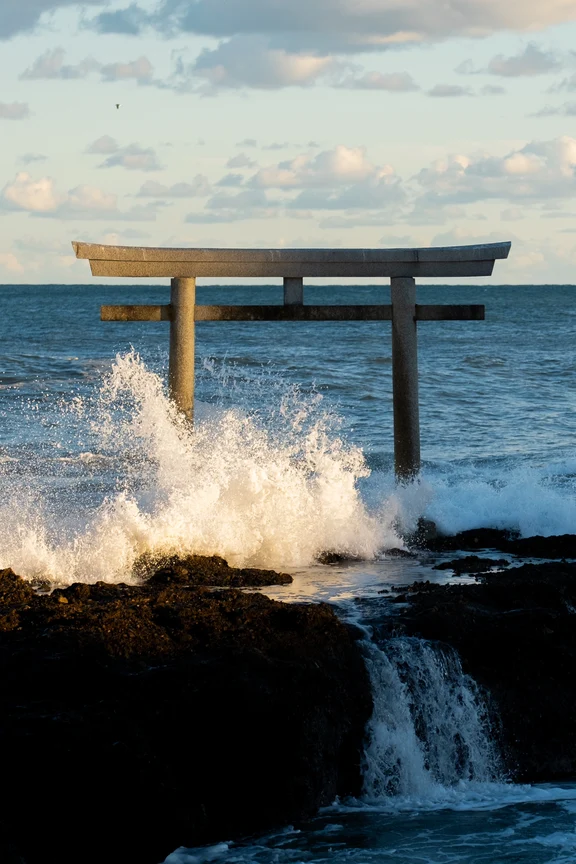
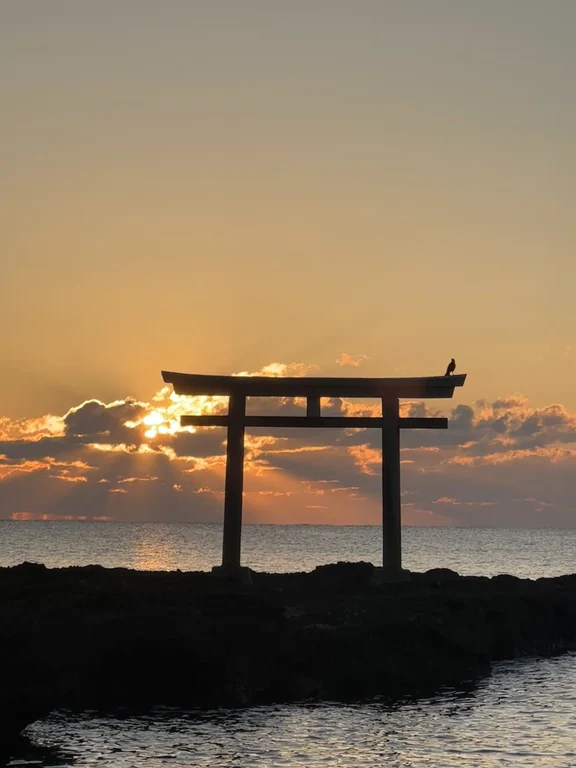
- Nakaminato Fish Market: A local favorite for seafood meals. Many restaurants inside the market serve fresh sashimi, seafood rice bowls, and grilled oysters, offering excellent value for money.
Local Specialties and Restaurants
When visiting Mito, be sure to try the local freshwater specialties and fresh seafood. The following well-regarded restaurants are worth checking out.
- Sansui: A long-established Mito restaurant famous for monkfish hot pot. The monkfish liver is delicate and comparable to foie gras, and the miso-based broth is rich and savory. It is at its best in winter.
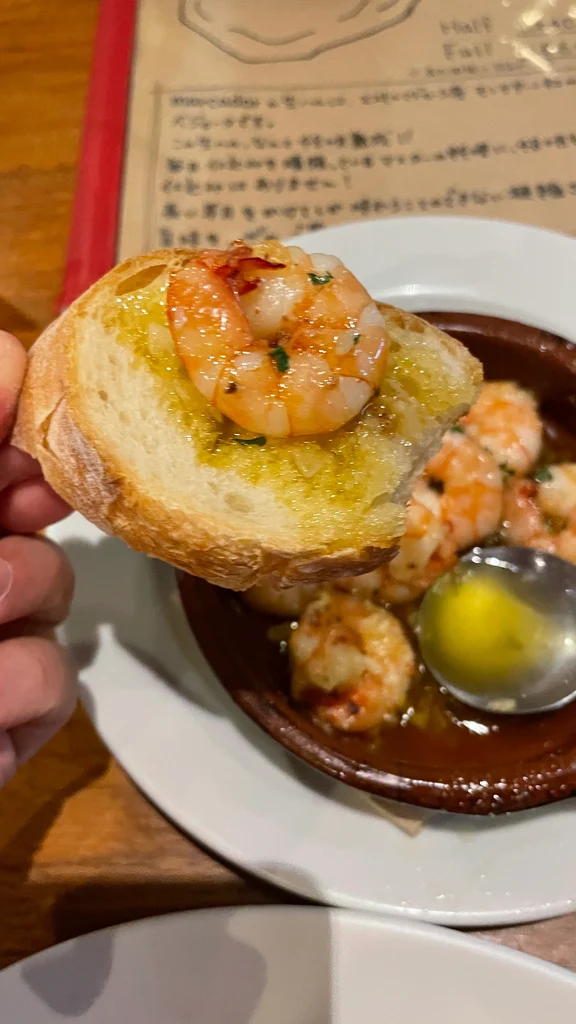
- マルカドール(marcador): Selected among Japan’s top 100 Spanish restaurants. Its signature shrimp ajillo and beef tongue stewed in red wine are very popular, and the atmosphere is excellent.
- Seafood Cuisine Takimoto: A hidden-gem eatery loved by locals. An entire “sashimi boat” is served at the table, with thick-cut tuna and sweet shrimp at friendly prices.
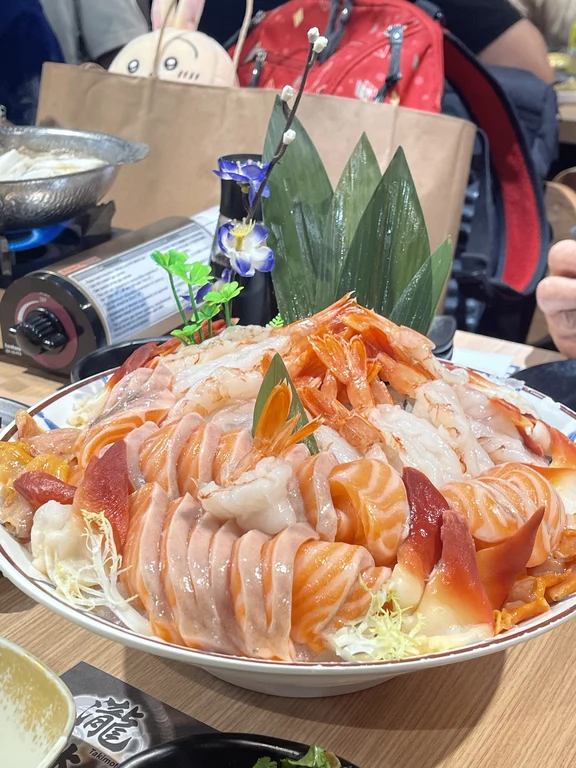
- Jizakana Shokujidokoro Kobune(Nakaminato branch): Located inside the fish market, it serves very fresh sashimi set meals and chirashi sushi with vinegared rice, and the side dishes are also excellent.
Transportation and Practical Tips
- Getting There: From Tokyo’s Ueno Station, take the Joban Line limited express train to Mito Station in about 75–90 minutes. If departing from Narita Airport, you can take a direct bus.
- Getting Around the City: Mito has no subway, so buses and walking are the main ways to get around. It is recommended to buy the “Mito Strolling One-Day Pass” (500 yen) at the bus counter in Mito Station, which allows unlimited rides on city buses and offers discounts on attraction admission. Note that some buses (such as Ibaraki Kotsu) may not accept common Suica cards, so prepare cash or a specific transit card.
- Best Time to Visit: The scenery is most beautiful from late February to mid-March (plum blossom season) and in November (autumn foliage season), but weekends can be crowded, so visiting during off-peak times is recommended.
- Accommodation Tip: Staying near JR Mito Station is recommended, as transportation is convenient and there are plenty of restaurants and supermarkets nearby. The budget-friendly Mito Season Hotel is a popular choice for many travelers.
Other locations in region6
On 2026-09-10, Mito (Ibaraki) has a forecast high near 23.0° and low near 17.0°, with a 60% rain chance. This page processes the location forecast published by JMA and preserves missing values rather than replacing them with estimates.