Fukui
29.0°7-day forecastFukui
Today
Fukui travel guide
Fukui Prefecture is an underrated hidden gem in Japan’s Hokuriku region, with both breathtaking natural scenery and deeply atmospheric Zen temples, as well as a world-class dinosaur museum. It also sees relatively few tourists, making it ideal for travelers who enjoy quiet, in-depth trips.
Suggested Itinerary
- Day 1: Zen Spirit and Spectacular Scenery
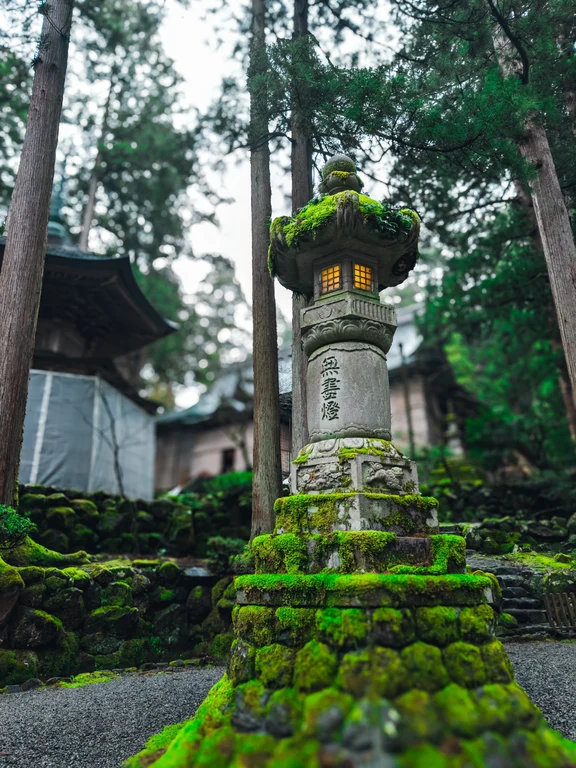
- Morning: Take a bus from Fukui Station to Eiheiji Temple, and enjoy a peaceful walk through this ancient Zen temple surrounded by 700-year-old cedar trees.
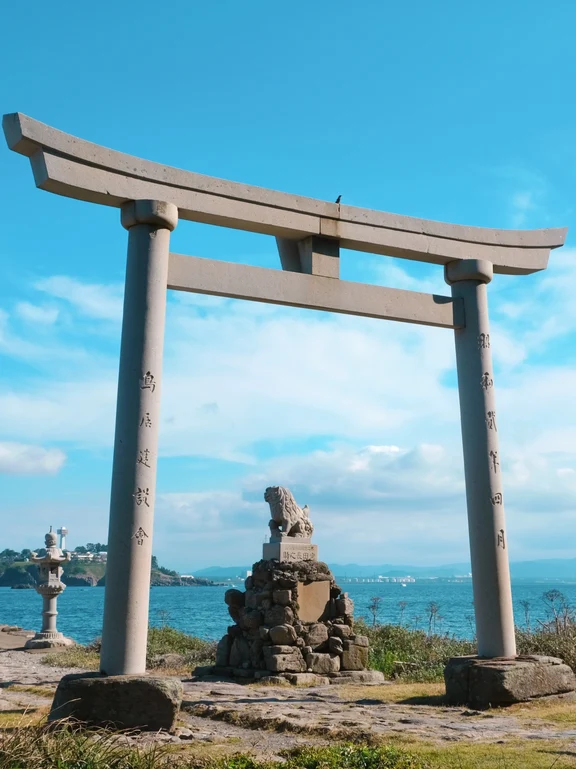
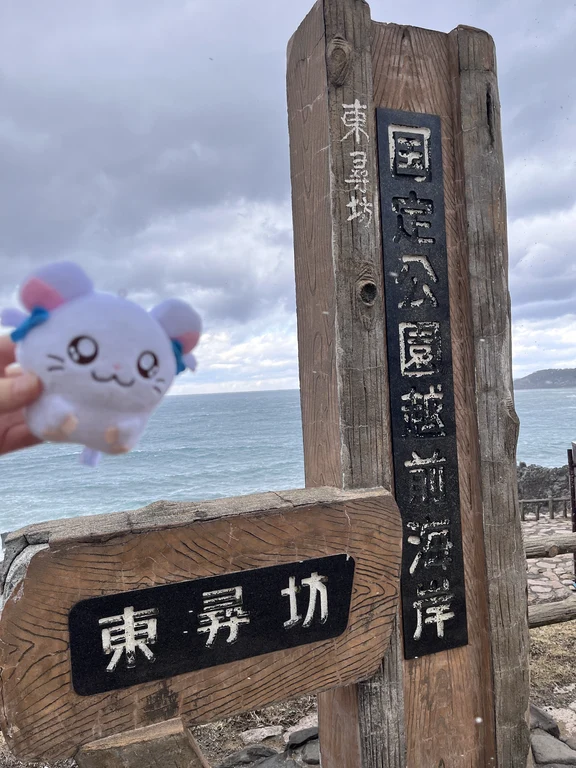
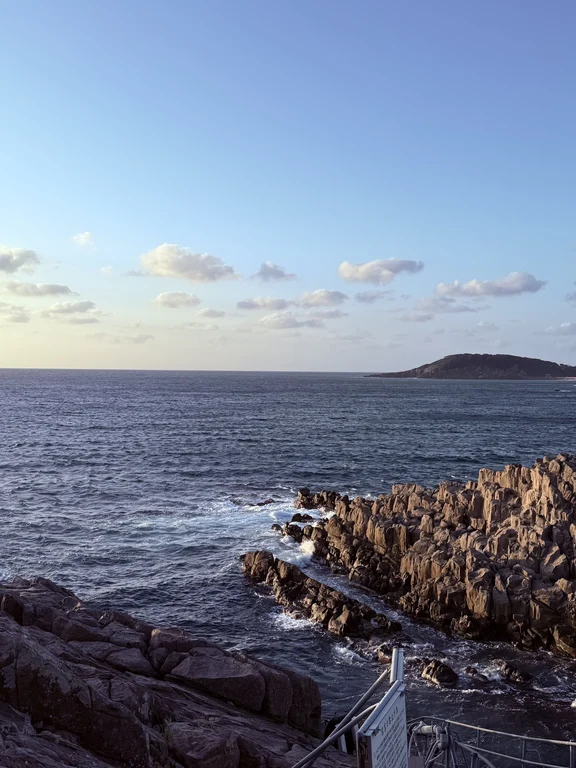
- Afternoon: Return to Fukui Station, then transfer to a bus bound for Tojinbo. Admire the coastal cliffs, one of the world’s three major sites of columnar jointing in andesite, and watch the sunset over the Sea of Japan in the evening.
- Evening: Head to Awara Onsen for a relaxing soak and experience Fukui’s largest hot spring town.
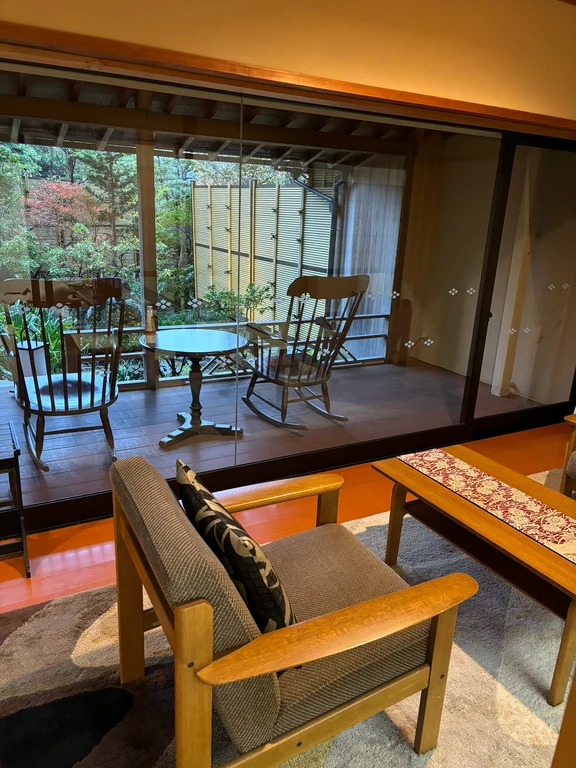
- Day 2: Dinosaurs and the Great Buddha
- Morning: Take the Echizen Railway and a bus to Katsuyama City to visit the Fukui Prefectural Dinosaur Museum, where you can get up close to world-class dinosaur fossils and a mechanical Tyrannosaurus rex.
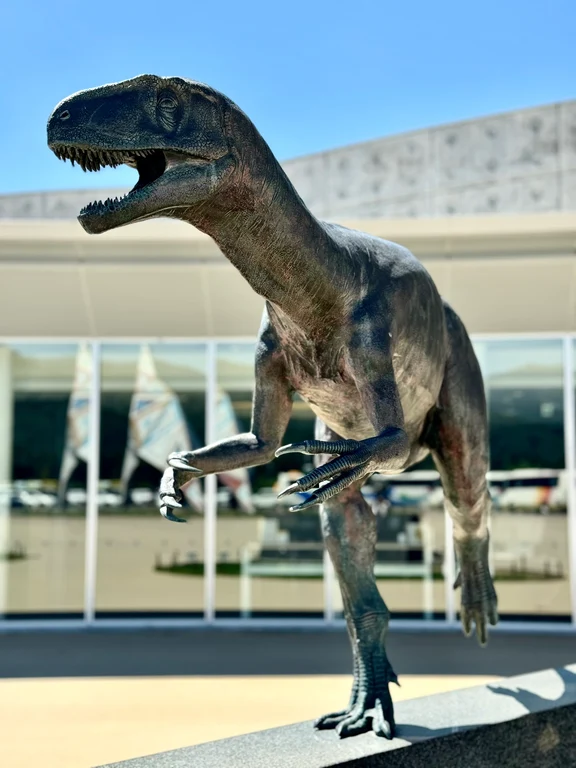
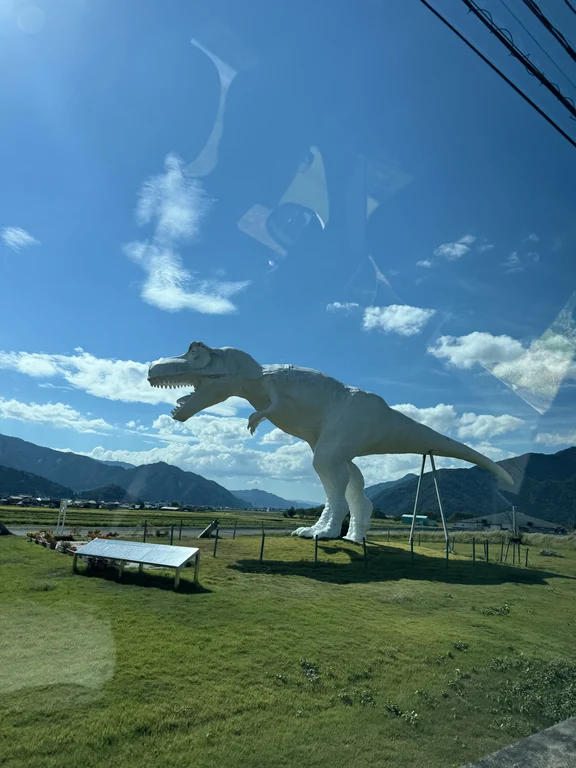
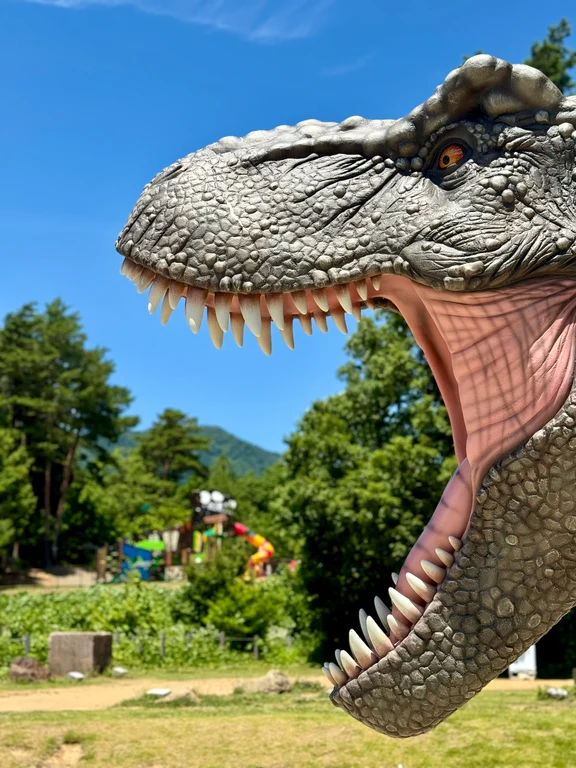
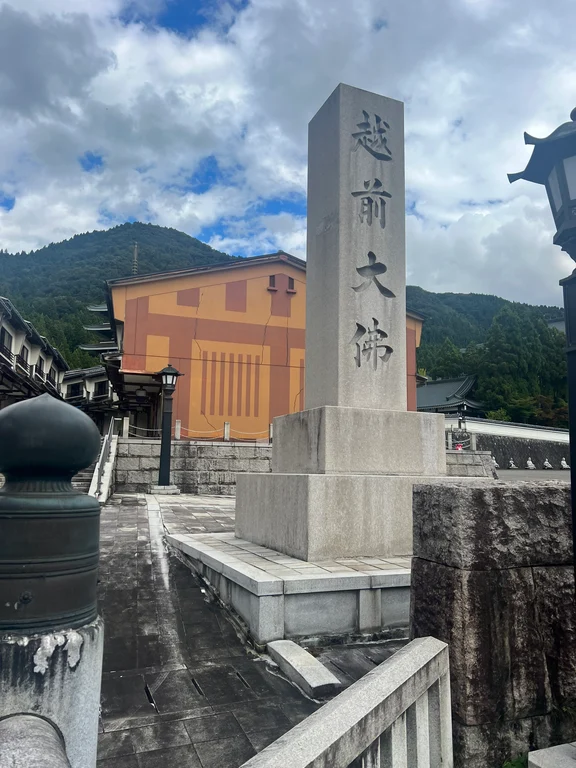
- Afternoon: Visit the Echizen Great Buddha to see an indoor seated Buddha taller than the Great Buddha of Nara, then climb to the top of Japan’s tallest five-story pagoda for sweeping views.
- Day 3: Hidden Moss Temple and Castle in the Sky
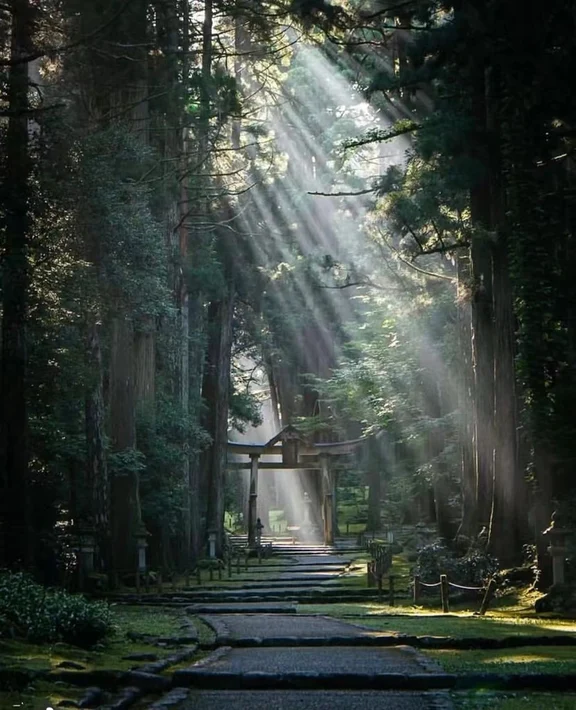
- Morning: Explore Heisenji Hakusan Shrine, surrounded by moss and century-old cedar forest, and feel the mystery and solemn atmosphere of this “moss temple.”
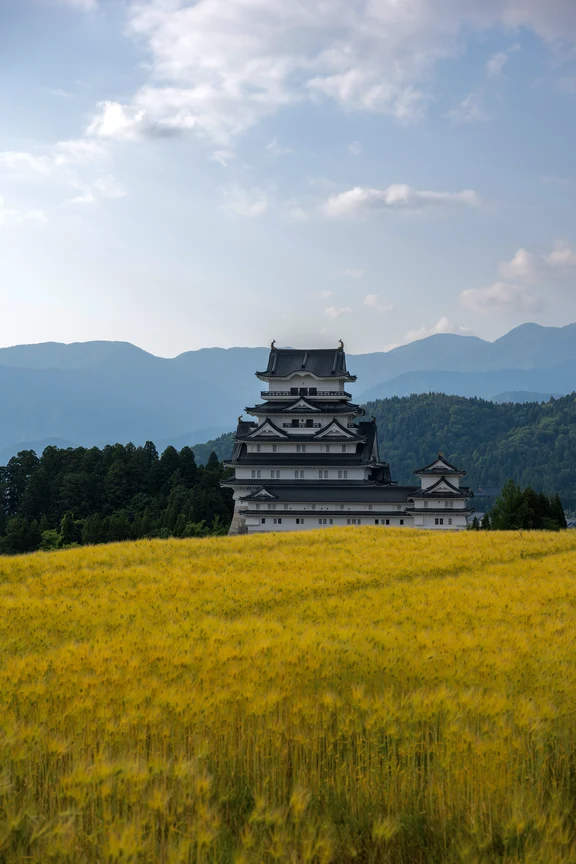
- Afternoon: Head to Katsuyama Castle to photograph Japanese-style scenery where rice fields and an old castle come together, then begin your return journey.
Must-Visit Attractions
Fukui’s attractions are spread out, with natural and cultural sights complementing one another. The following are the essential places to visit:
- Eiheiji Temple: The head temple of Japan’s Soto Zen school, surrounded by 700-year-old cedar trees. It is a sacred retreat for experiencing Zen practice and Song-dynasty-inspired traditional architecture.
- Tojinbo: Fukui’s top coastal scenic spot. Its distinctive basalt cliffs face the Sea of Japan, making it an excellent place to watch the sunset and capture dramatic seascapes.
- Fukui Prefectural Dinosaur Museum: One of the world’s three great dinosaur museums, with numerous beautifully preserved fossil skeletons and interactive excavation experiences. A must for dinosaur fans.
- Heisenji Hakusan Shrine: Set within a primeval mountain forest and covered in moss, it is known as a “moss temple.” Its stone-paved paths and temple lodging ruins are filled with historical mystery.
- Echizen Great Buddha: A 17-meter-high indoor seated Buddha modeled after the Longmen Grottoes, accompanied by Japan’s tallest five-story pagoda and a wall of a thousand Buddhas, creating a striking visual impact.
Must-Try Foods
Fukui is known as one of Japan’s great “lands of fish and rice,” and its seafood and local specialties are well worth trying:
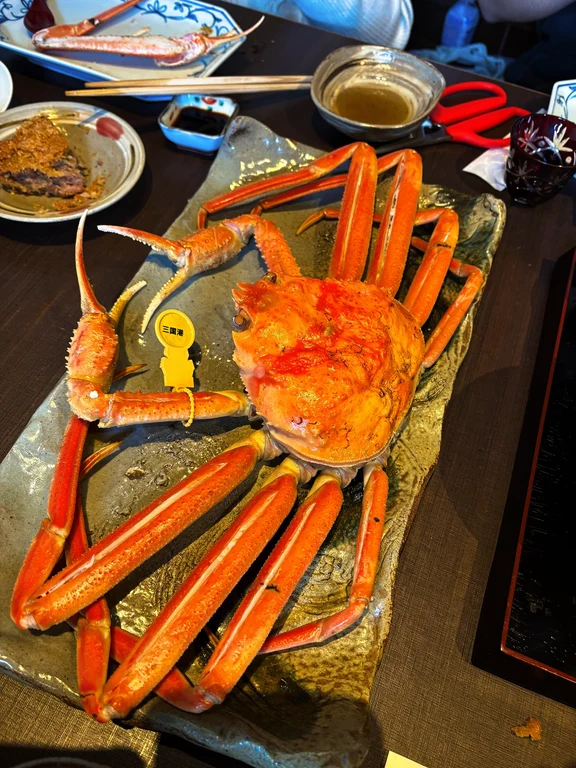
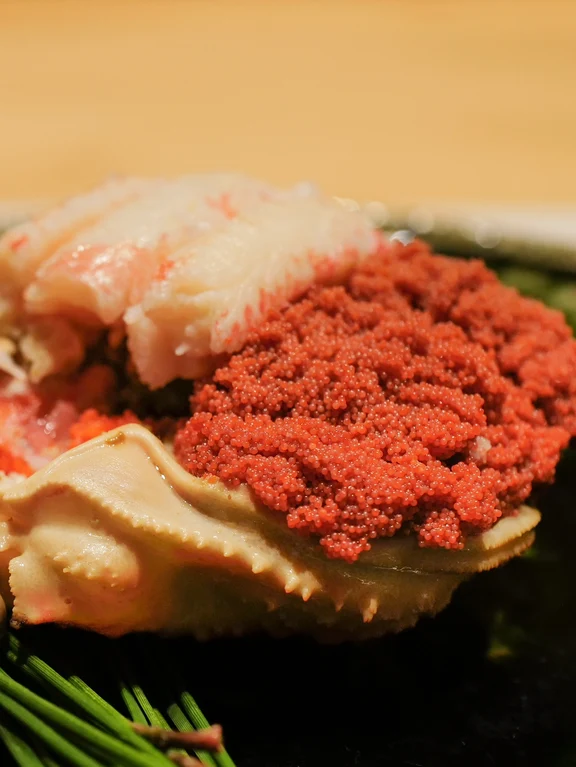
- Echizen Crab: One of Japan’s three great famous crabs. Crab season runs from November to March, when the meat is sweet, firm, and springy. Recommended dishes include crab sashimi, grilled crab legs, and crab rice porridge.
- Echizen Soba: A Fukui specialty with firm, chewy noodles, served with a dipping sauce featuring spicy grated daikon. It is one of the region’s most representative everyday dishes.
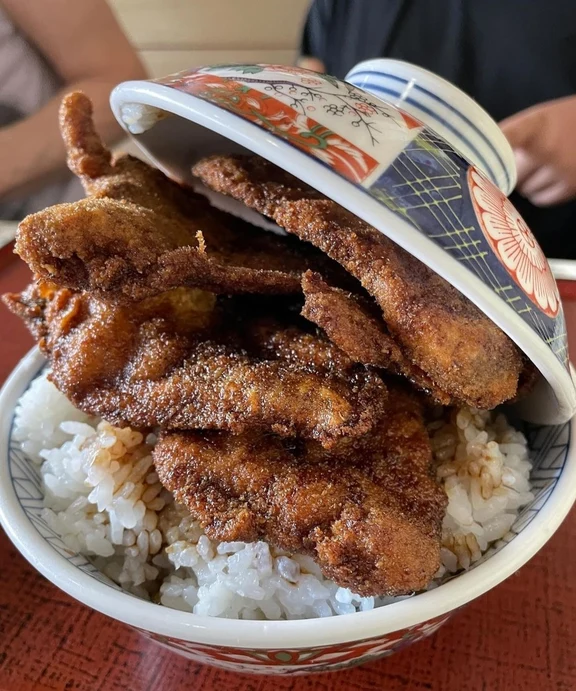
- Tonkatsu: Local Fukui tonkatsu restaurants, such as Europe-ken, are extremely popular. The pork cutlets are thin and crisp, paired with a special sweet-and-sour fermented sauce for a distinctive flavor.
- Mackerel Somen: Fresh mackerel is simmered together with thin somen noodles, creating a rich, savory broth. It is a classic example of Fukui home cooking.
Transportation and Practical Tips
- Transportation: Attractions within Fukui Prefecture are very spread out, and public transportation, especially buses, runs at long intervals. Self-driving is strongly recommended, or you can focus your sightseeing around Fukui Station. If relying on public transportation, be sure to pick up a bus timetable at the tourist information center in Fukui Station and plan your schedule precisely.
- Best Season: Autumn, from October to November, offers beautiful fall foliage and pleasant weather. In winter, from November to March, you can enjoy plump Echizen crab, but be aware that mountain snow and strong coastal winds may affect transportation.
- Accommodation: Staying around Fukui Station is recommended, as it is the most convenient area for dining and bus transfers. If you enjoy hot springs, consider a hot spring inn in Awara Onsen or Mikuni Port.
Other locations in region4
On 2026-09-10, Fukui (Fukui) has a forecast high near 29.0° and low near 20.0°, with a 30% rain chance. This page processes the location forecast published by JMA and preserves missing values rather than replacing them with estimates.